What to Check
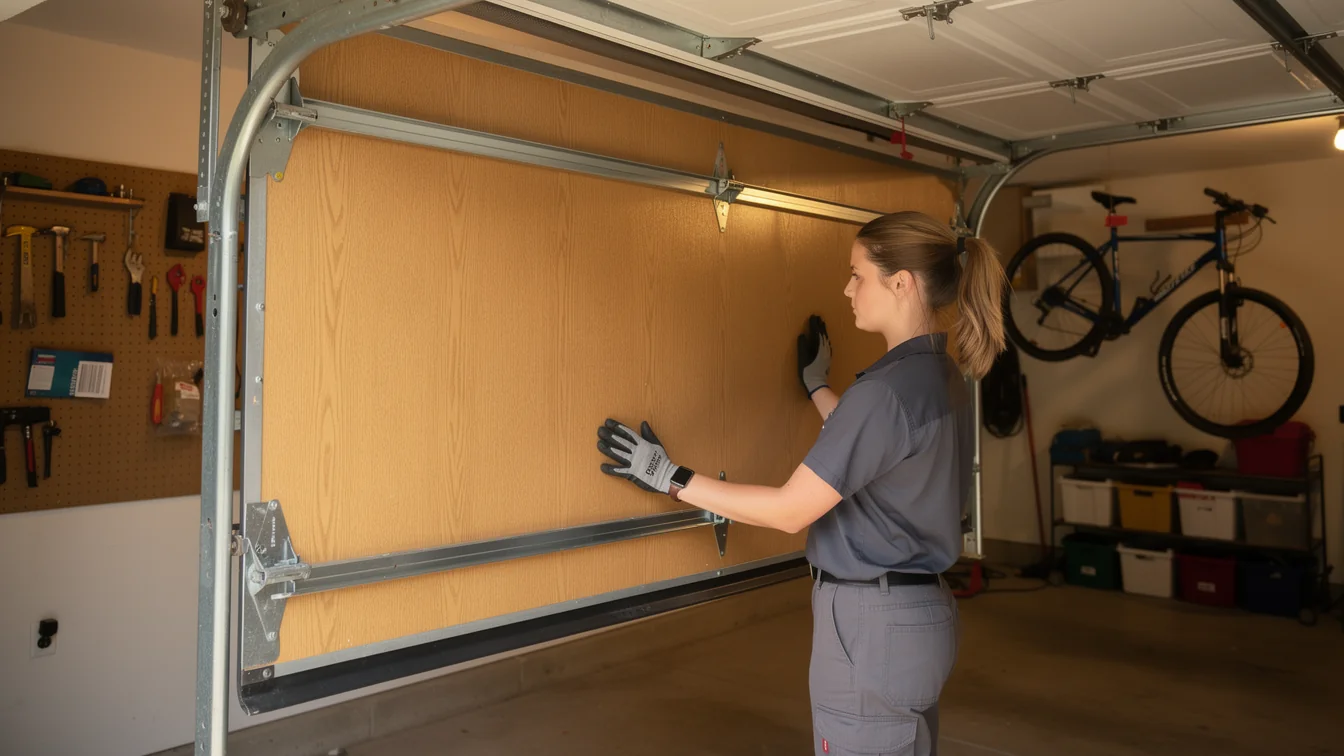
Walk out to the garage before you turn the key on a cold morning and look at the spring itself - the coiled bar above the door, or the two side-mounted ones if your house is older. If you see a gap in the coil, a bar that's visibly bent, or one side sitting lower than the other, don't run the opener again. That's a spring under more load than it's rated for, and running the motor against it strains the opener too.
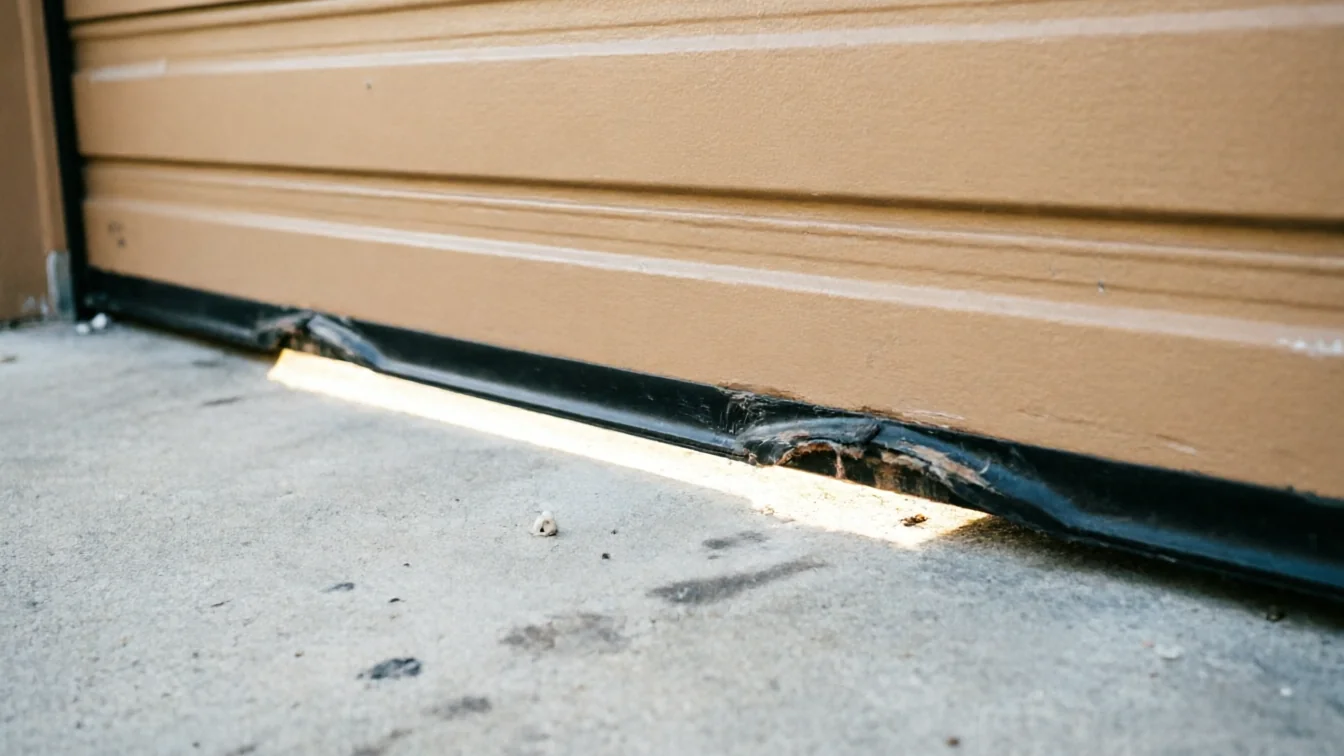
Check the cables next. On a lot of the housing stock around Novi - built between 1938 and 1991, median year 1965 - the cables are original or a prior repair job, and cold makes the steel brittle before it makes it obviously rusty. Look for fraying near the bottom bracket.
Last, check how the door balances. Disconnect the opener, lift the door by hand halfway, and let go. A healthy spring holds it there. If it drops, the spring has already lost tension - it just hasn't broken yet. That's the one you want to catch before the cold finishes the job.
We'll say the honest part up front: a spring that's partway gone is cheaper to replace on your schedule than on its own. Waiting until it snaps usually means an after-hours call.
The Problem
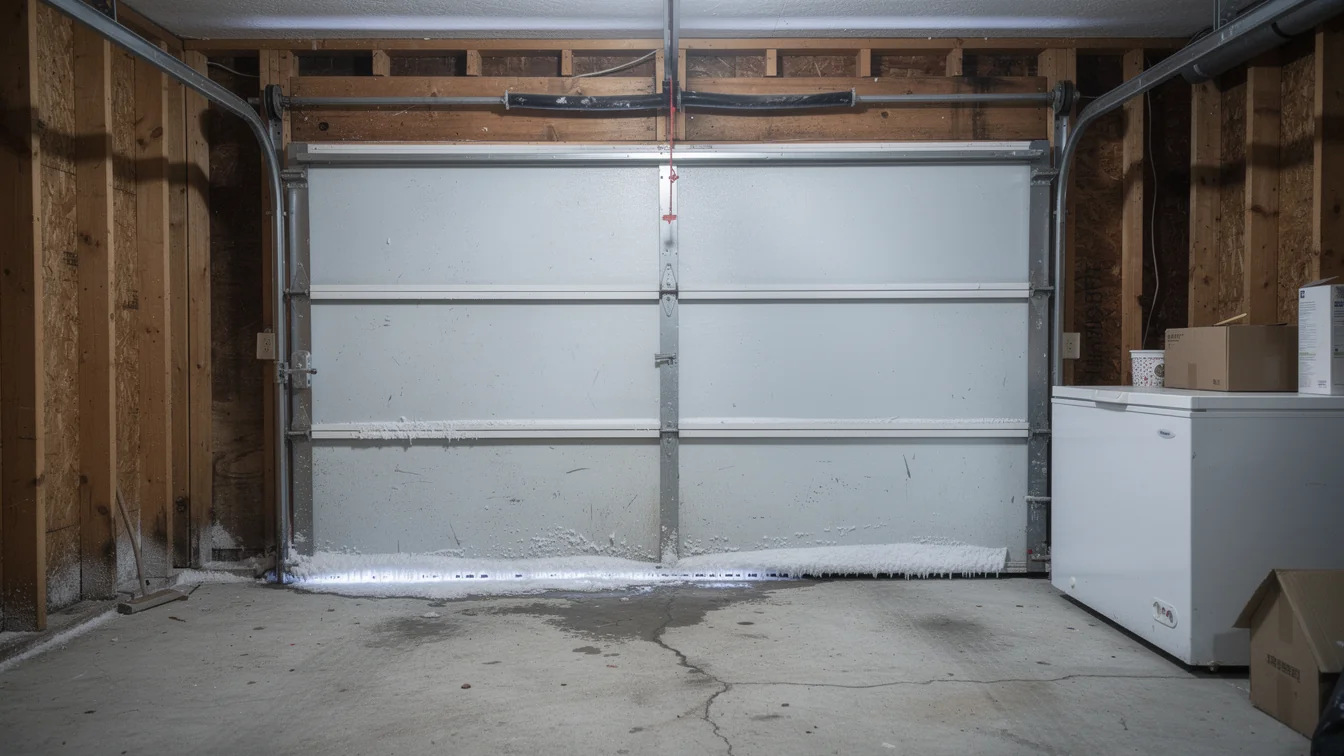
Steel contracts when it's cold. A torsion spring that's wound tight to hold a 150-pound door already lives under constant stress - drop the temperature and that stress concentrates at the weakest point in the coil, usually a spot with fatigue from thousands of open-close cycles. That's why the failure shows up on the cold morning, not the day the wear actually happened.
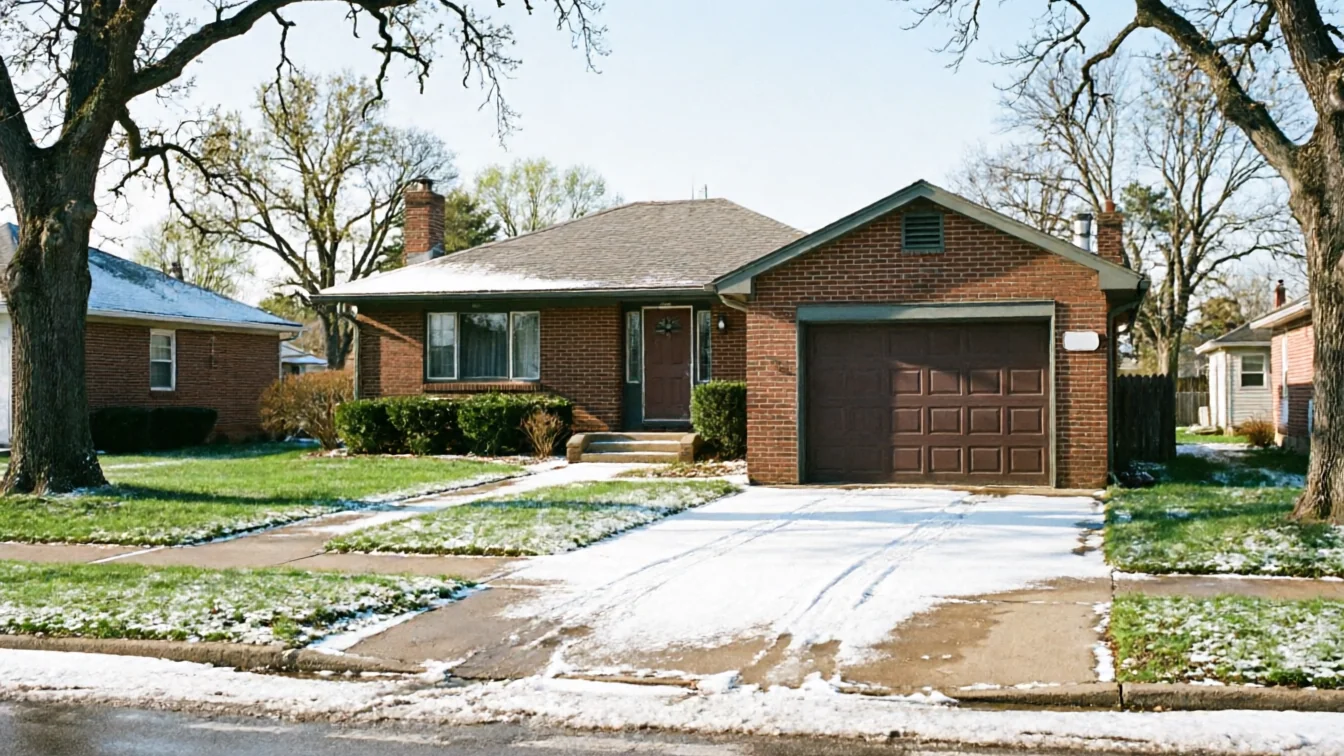
This matters more here than it would somewhere with a milder climate band. Novi sits in a severe cold zone, and a house built near the 1965 median has had roughly sixty winters of that cycle working on the same spring, if it's never been swapped. Original hardware on 1960s and 70s construction - which is most of what's around - was sized to building standards and steel specs from that era, not to today's heavier insulated doors some owners have since added.
The practical result: the door that opened fine all through a mild fall seizes or slams down hard the first week it drops into the teens. It's not bad luck. It's decades of thermal cycling finally finding the weak point, on cue, right when the cold arrives.
Season by Season
Fall is when you want to look at the spring, not January. Cold hasn't hit yet, the coil is still at its most flexible, and a visual check costs you five minutes. If a spring is going to need replacing, this is the slack window to do it in.
Early winter is when the first hard cold snap exposes anything marginal. Across homes built in the 1960s and 70s - the bulk of what's standing in this part of Michigan - this is when original torsion hardware that's survived forty or fifty winters finally gives out, usually on the coldest morning rather than a merely cold one.
Deep winter, once the ground has been frozen for weeks, is the hardest stretch on tracks and rollers too, not just springs. Metal rollers bind in cold metal tracks; nylon rollers get brittle. If your door is sticking rather than refusing to move at all, that's often the track and rollers complaining, separate from a spring problem.
Spring and summer put less load on the hardware, but they're also when a slow leak in tension - a spring losing strength gradually rather than snapping - goes unnoticed, because the door still seems to work. That's the one that surprises people the following winter.
What Local Conditions Do
Two things about this area push spring failures toward the cold-weather pattern more than they would somewhere milder or newer-built. First, the severe cold climate band means the temperature swing the steel goes through every winter is large, and it repeats every year the hardware is in service. Second, the housing stock - built 1938 to 1991, median 1965, concentrated in 1960s and 70s construction across the named areas in this part of the county - means a large share of garages are running original or first-generation replacement springs that were never engineered against modern door weights.
Put those together and the pattern is straightforward: older spring, decades of cold cycling, failure timed to the hardest freeze rather than spread evenly through the year. It's not that Novi garages are poorly built. It's that the math of steel fatigue plus severe cold plus a lot of houses from the same era lines up to produce the same failure, on the same kind of morning, across a lot of driveways at once.
We don't try to diagnose a spring over the phone - a torsion spring under tension is dangerous to guess at, and if yours has already dropped the door hard, leave it alone until someone looks at it in person.
Talk to a local pro
Garage door trouble in Novi?
Same-day service with honest, upfront quotes.