Fast garage door repair in NoviCall (248) 847-0735

Novi, MI

Garage Door Panel Replacement Around Novi

Dented or cracked garage door panel? We replace single panels on homes built 1938-1991 across the Novi area, matching steel gauge to Michigan winters.

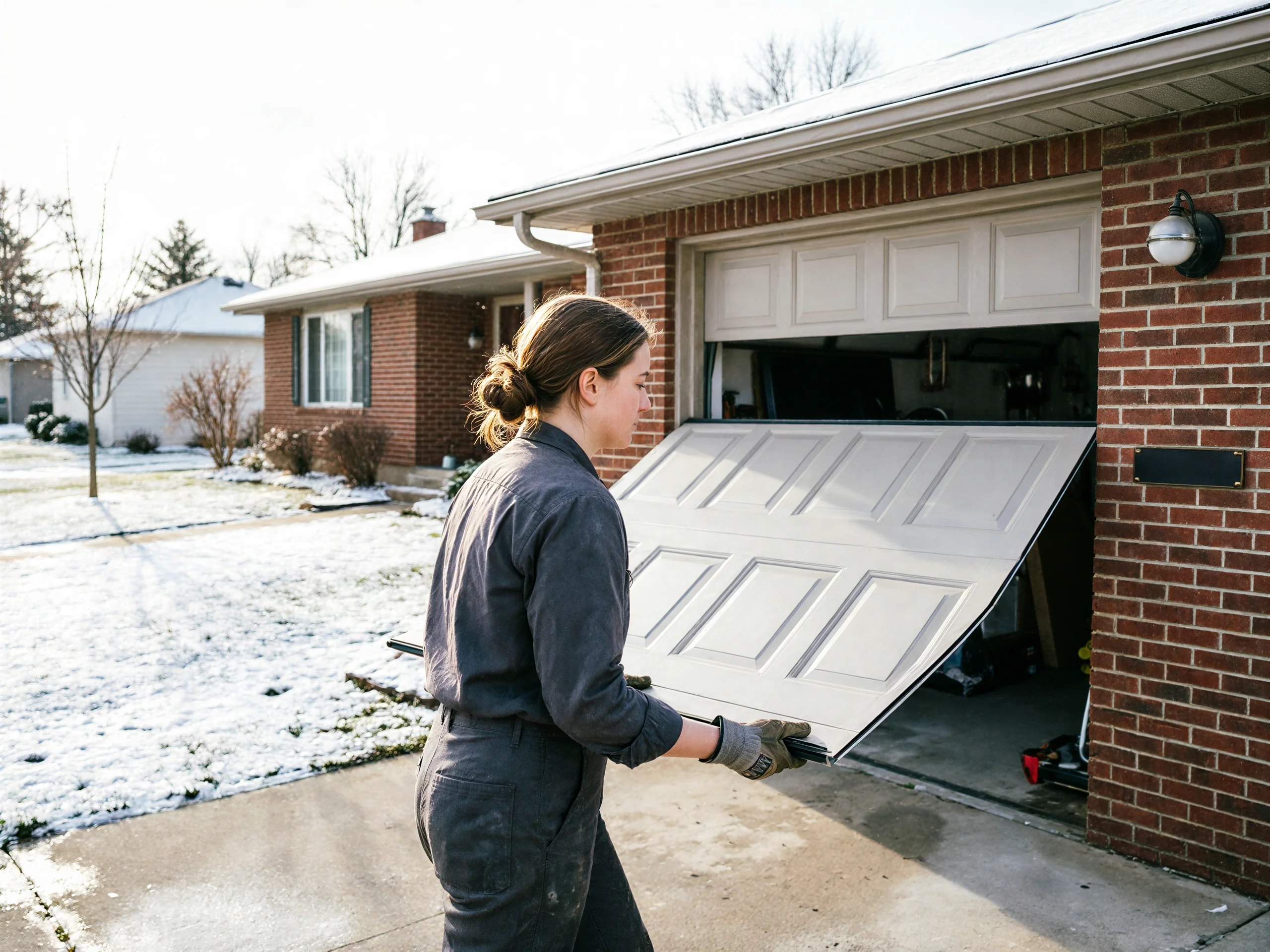
A technician in gray overalls carries a white garage door panel on a snowy day.
Serving Novi, MIBackground-checked techsHonest, upfront pricingFast local response
Section match
Matched by model plate or measure
Single panel
One section swapped, not the door
Steel gauge
Rated for Michigan freeze-thaw
Honest match
We say when paint cannot match

The repair

What the Repair Takes

A panel job starts with matching, not swapping. Most garage doors in this area date from the 1960s and 70s building boom, and panel sections from that era aren't a universal fit even within the same brand - the track spacing, hinge spacing, and section height all shifted over the decades.

  1. Matching sections by model plate

    We pull the door's model plate if it's still legible, measure the section by hand if it isn't, and order the closest match we can get. On a sectional door, we're almost never replacing the whole door for one bad panel. We unbolt the hinges above and below the damaged section, slide it out along the track, and set the new or reconditioned panel in its place.

  2. Hinge and roller checks after panel

    Reinstall the hinges, check that the rollers still ride true in the track, and run the door through a full cycle before we call it done. Where this gets slower: doors from the 1960s-1991 range sometimes use panel profiles the manufacturer no longer makes.

  3. Paint matches on older panels

    When that happens, we're matching paint and texture on a visibly older panel rather than finding an exact replacement - we'll tell you that up front rather than promise a seamless match we can't deliver. Sometimes the honest answer is that a full door makes more sense than chasing a discontinued panel. Expect us to test the opener's force settings after the swap, since a new panel changes the door's weight balance slightly.

Warning signs

What You Are Seeing

Panel damage shows up two ways here: a single hard impact - a car bumper, a dropped ladder, a kid's bike - or slow failure from moisture and freeze-thaw working into a seam that's been flexing for fifty-plus years.

Horizontal creases from spring stress

On houses built in the 1938-1991 range, the second kind is more common than people expect. Look for a horizontal crease across one section, usually at the point where a torsion spring door takes the most stress during opening.

Rust along bottom edges

On steel doors you'll see rust blooming from the inside out along the bottom edge, where snowmelt and road salt sit against the panel through a Michigan winter. On older wood or wood-composite doors - still around on some of the area's original housing stock - look for soft, spongy spots near the bottom corners.

Bent panels pulling track

A single damaged panel usually doesn't keep the door from opening, which is why people put it off. But a bent panel pulls the track slightly out of alignment every time it cycles, and that wear doesn't stay contained to one section forever.

On the truck

Parts We Carry

We stock steel panel sections in the common residential widths and the standard color range, along with the hardware that goes with a panel swap - hinges, end stiles, and the fasteners that are usually corroded past reuse on a door this old. For homes with doors from the 1960s-70s stock that makes up most of this area, these are the sizes we pull first.

What we don't keep on the truck: matches for discontinued wood-panel profiles or older aluminum doors from the earliest end of the 1938-1991 build range. Those get special-ordered, and we'll tell you honestly if that means a wait instead of a same-visit fix.

Given the cold-climate conditions this area sees, we default to steel gauges rated for that kind of temperature swing rather than the lighter panels builders sometimes used decades ago. A panel that flexes less in deep cold holds its seal better and cracks less at the seams over time.

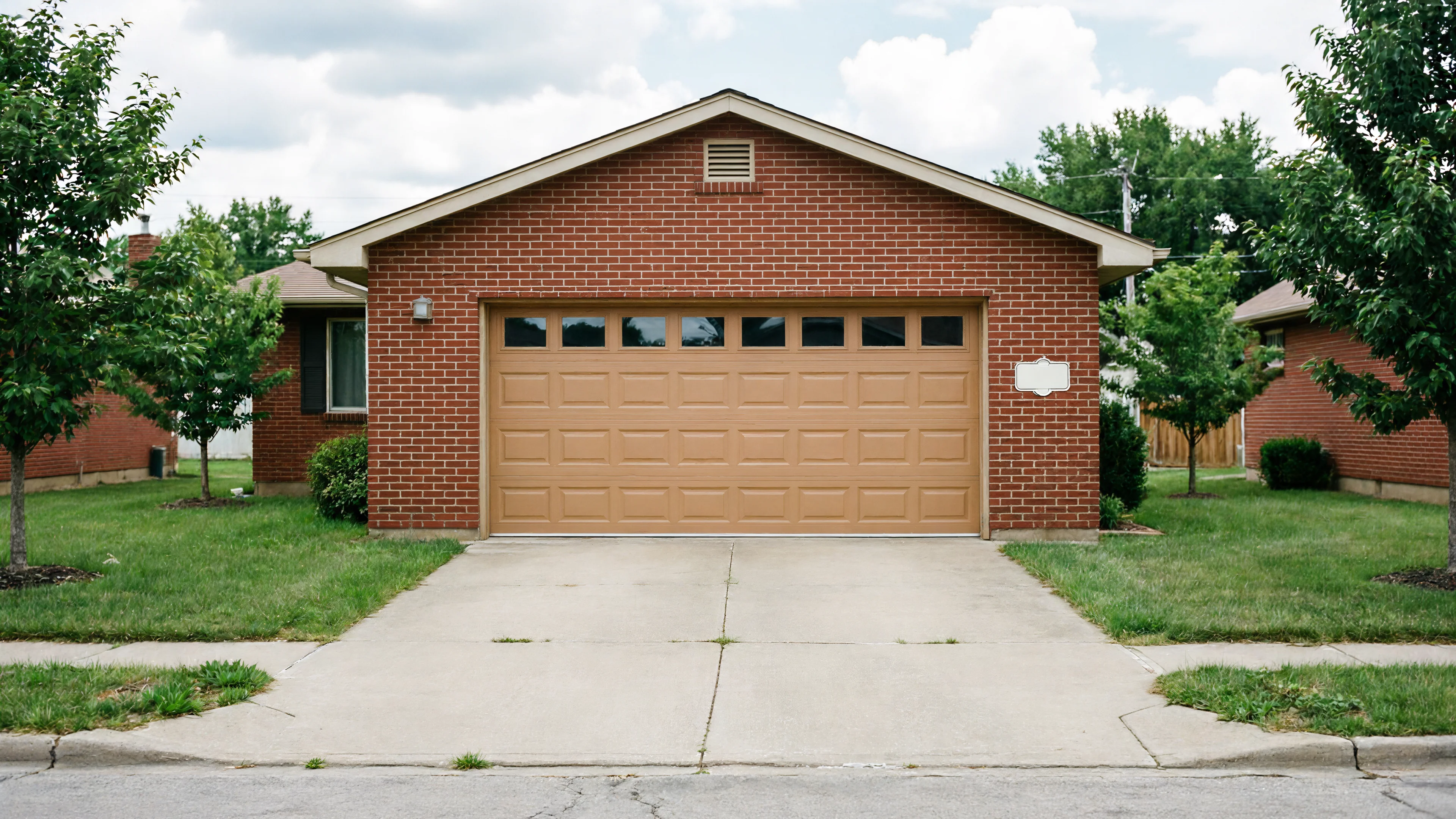
A brown garage door with windows is on a red brick house.

Local causes

What Causes It Around Here

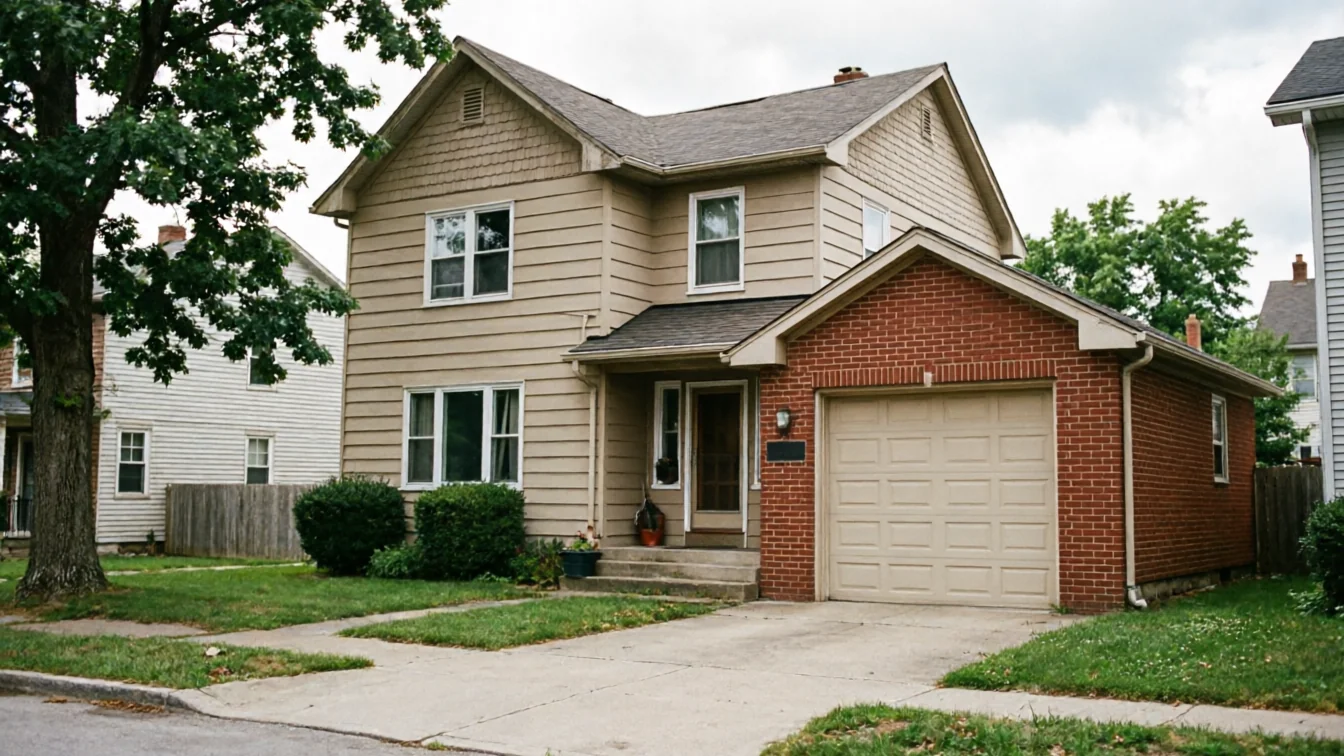
The house has tan siding and a brick garage with a light-colored garage door.

Three things line up against garage door panels in this region. First, the age of the housing stock - a median build year of 1965 means a lot of doors are on their second or third owner, and panels that were fine for the first thirty years start showing fatigue now. Second, this is a cold-climate zone with severe winter conditions, and steel panels contract and expand through repeated freeze-thaw cycles every season, which stresses seams and hinge points over years, not weeks. Third, road salt and snowmelt sit at the bottom panel edge longer than anywhere else on the door, which is why bottom-section rust-through is the single most common panel failure we see.

Put those together and a panel that looks fine in August can be close to failing by March. We'd rather catch a hairline crease in the fall than get the call in January when the section finally gives way in freezing weather.

Questions

Common questions

Can you replace one panel without replacing the whole door?

Yes, in most cases. Sectional garage doors are built in individual panels, and we can usually unbolt just the damaged one and set in a matching replacement, provided we can source a matching section for your door's age and model.

Will the new panel match the color of my existing door?

We order the closest manufacturer color match available. On doors more than a few decades old, some fading has usually happened, so a brand-new panel may look slightly cleaner than the rest until it weathers in.

Why does my bottom panel rust out before the others?

The bottom section sits closest to snowmelt and road salt tracked in off the driveway all winter. That moisture sits against the steel longer than anywhere else on the door, which is why bottom-panel rust is the most common panel failure we see in this climate.

Is it ever better to replace the whole door instead of one panel?

Sometimes. If your door's panel profile is discontinued, or if more than one section shows damage, a full door replacement can cost less in the long run than chasing a hard-to-find match. We'll give you both options before starting.

Explore more

Explore More Services In Novi, MI

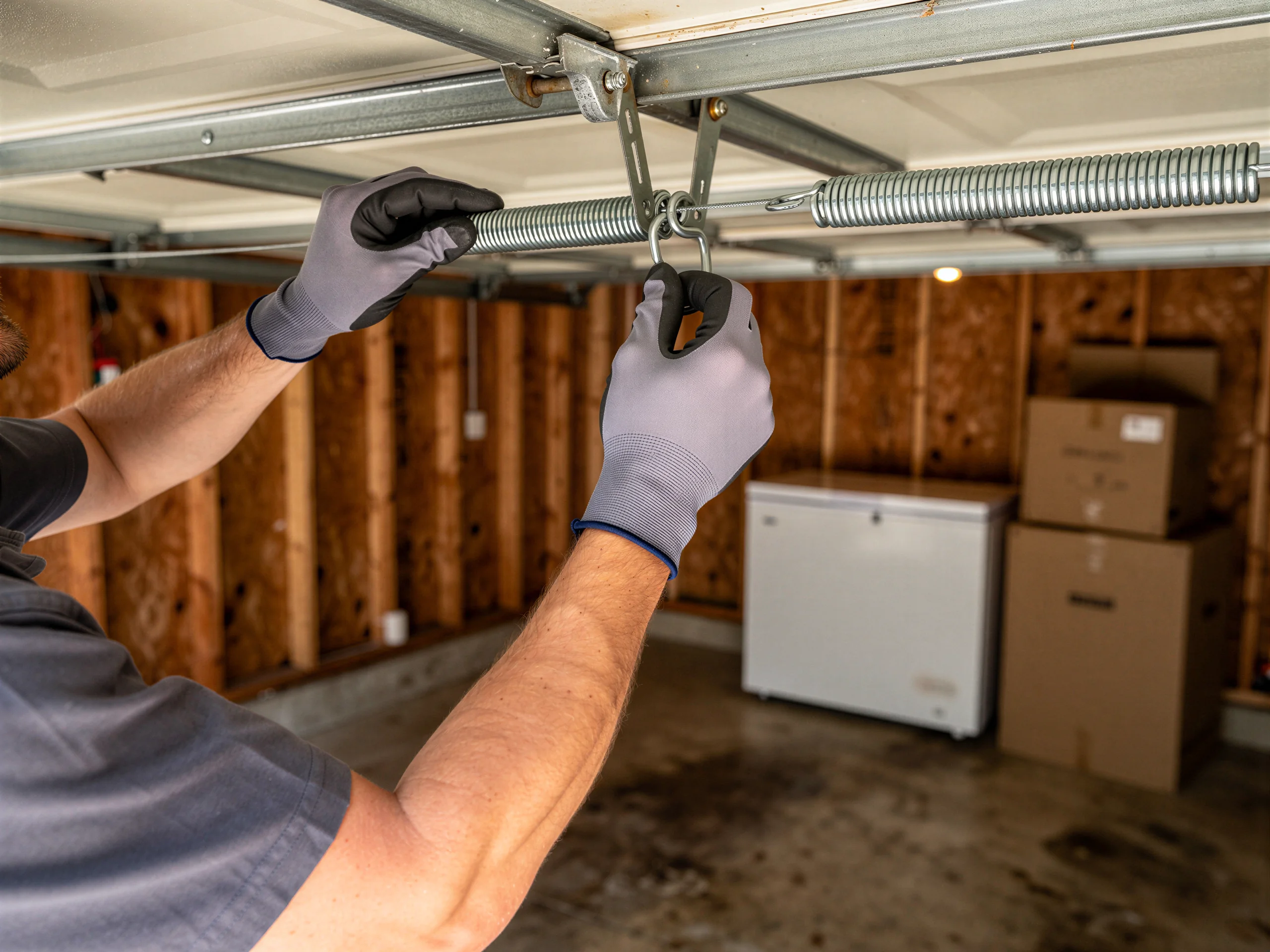
A technician wearing gloves installs a garage door extension spring.

Garage Door Spring Repair Across the Novi Area

Torsion and extension spring repair for Novi-area homes built 1938-1991. Learn more →
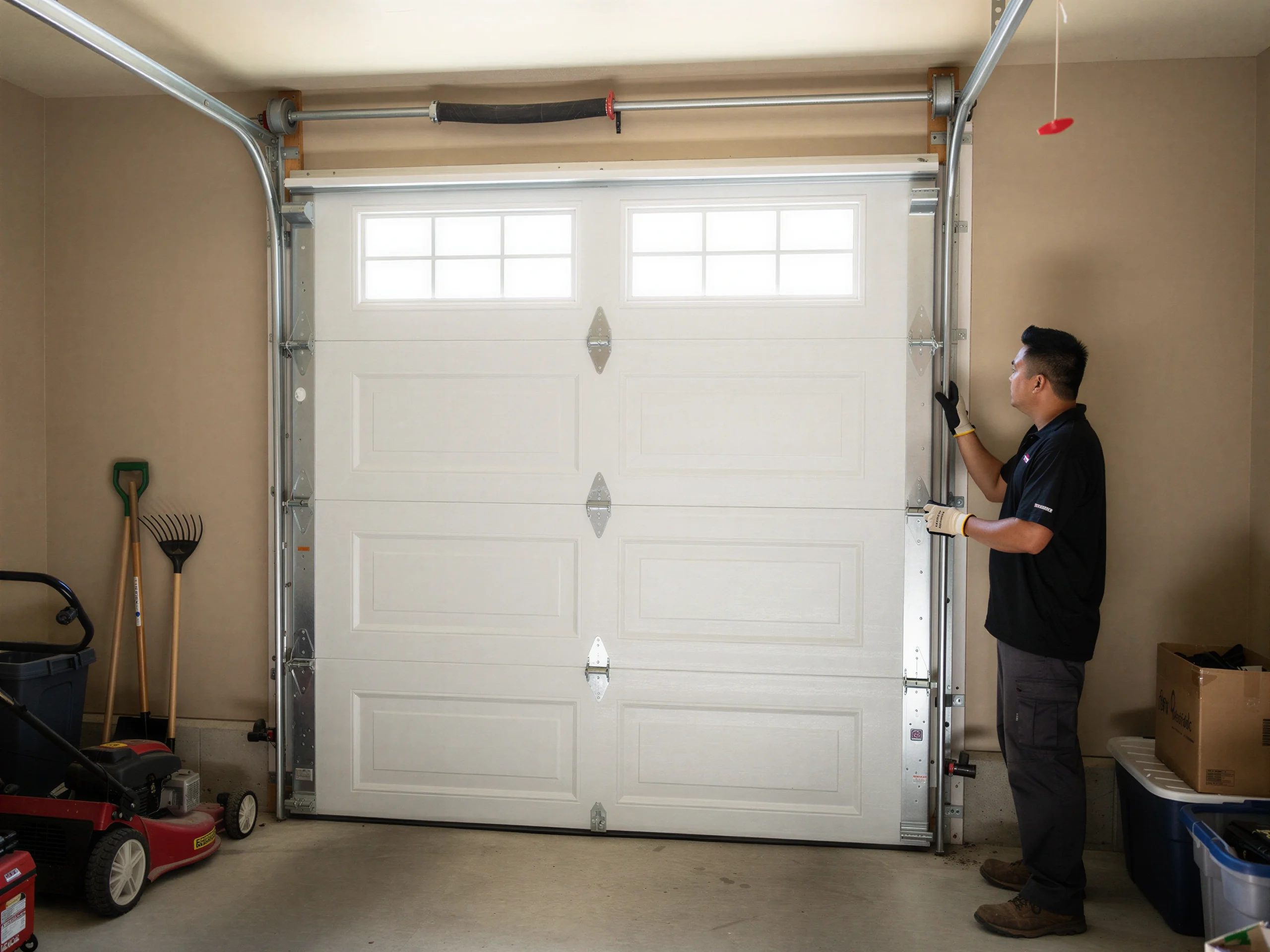
A technician in gloves adjusts a white garage door with windows.

Garage Door Installation for Novi Homes Built 1938-1991

Replacing a garage door on a Novi house built between 1938 and 1991 means matching the opening, the track, and a door rated for our severe cold winters. Learn more →
A technician kneels, adjusting a garage door sensor near the bottom of the door.

Garage Door Service in Novi

Novi Garage Door Pros repairs torsion springs, openers, and tracks on the 1960s-70s doors common across Novi's subdivisions, built for Michigan winters. Learn more →
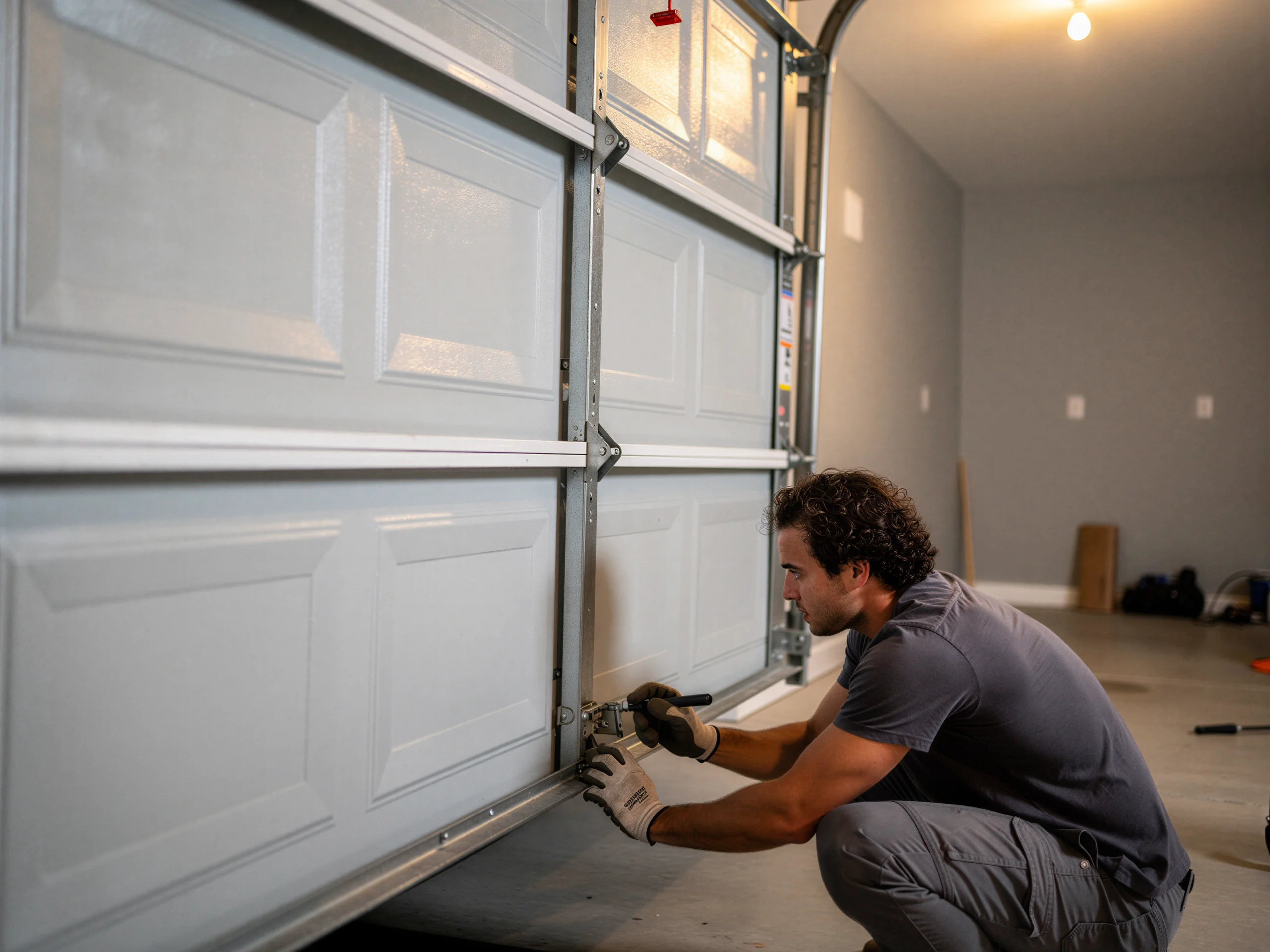
A technician in gloves crouches, working on the bottom panel of a white garage door.

Garage Door Repair for Novi Homes

Novi Garage Door Pros fixes broken springs, cables, and openers on Novi's 1960s-70s housing stock, built for a cold-severe climate that wears hardware fast. Learn more →
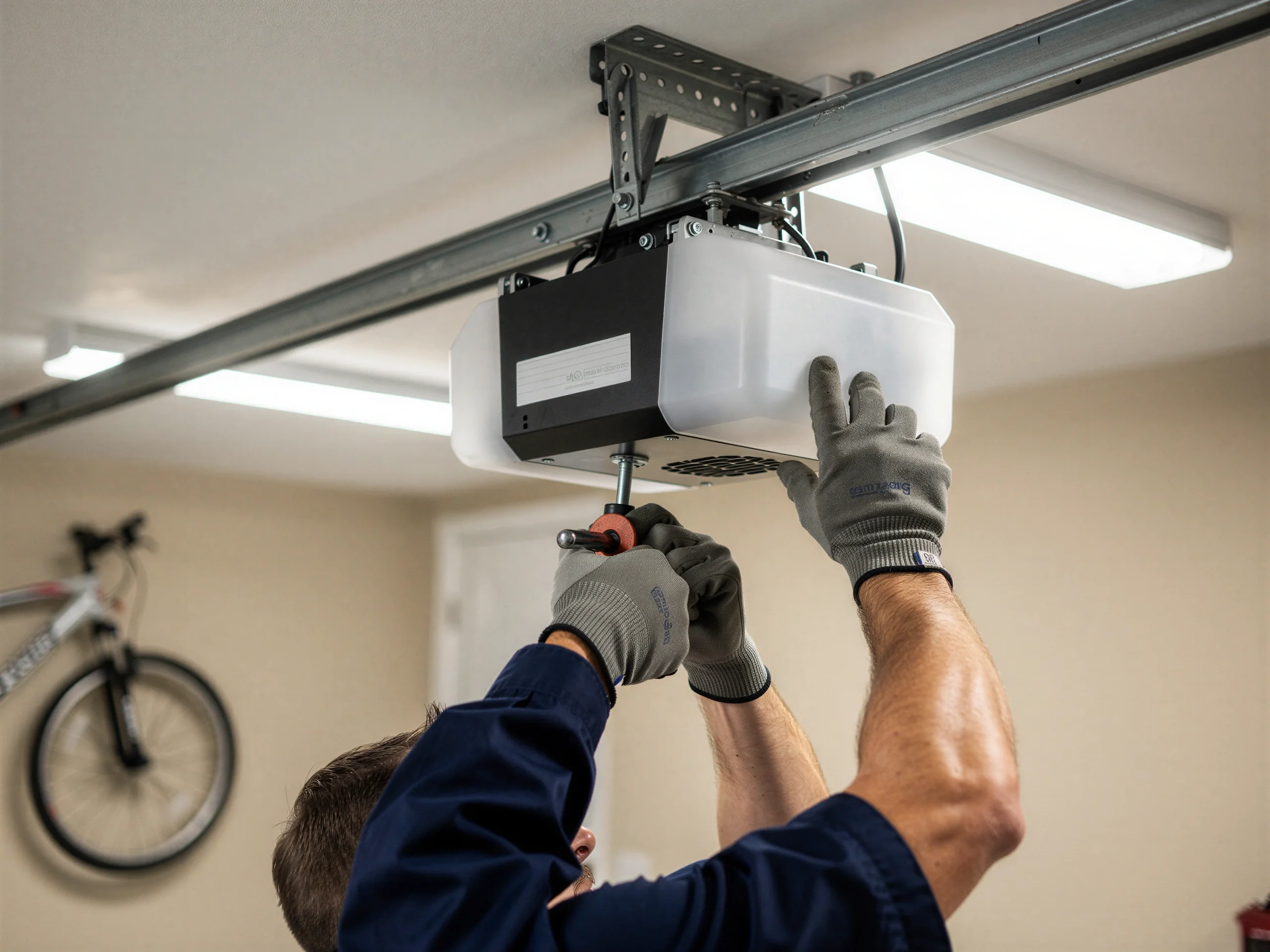
A technician in gloves works on a garage door opener with a screwdriver.

Garage Door Opener Installation in Novi, MI

Opener installation for Novi homes built mostly between the 1960s and 1970s, sized for Michigan's cold winters and torsion hardware common across the area. Learn more →
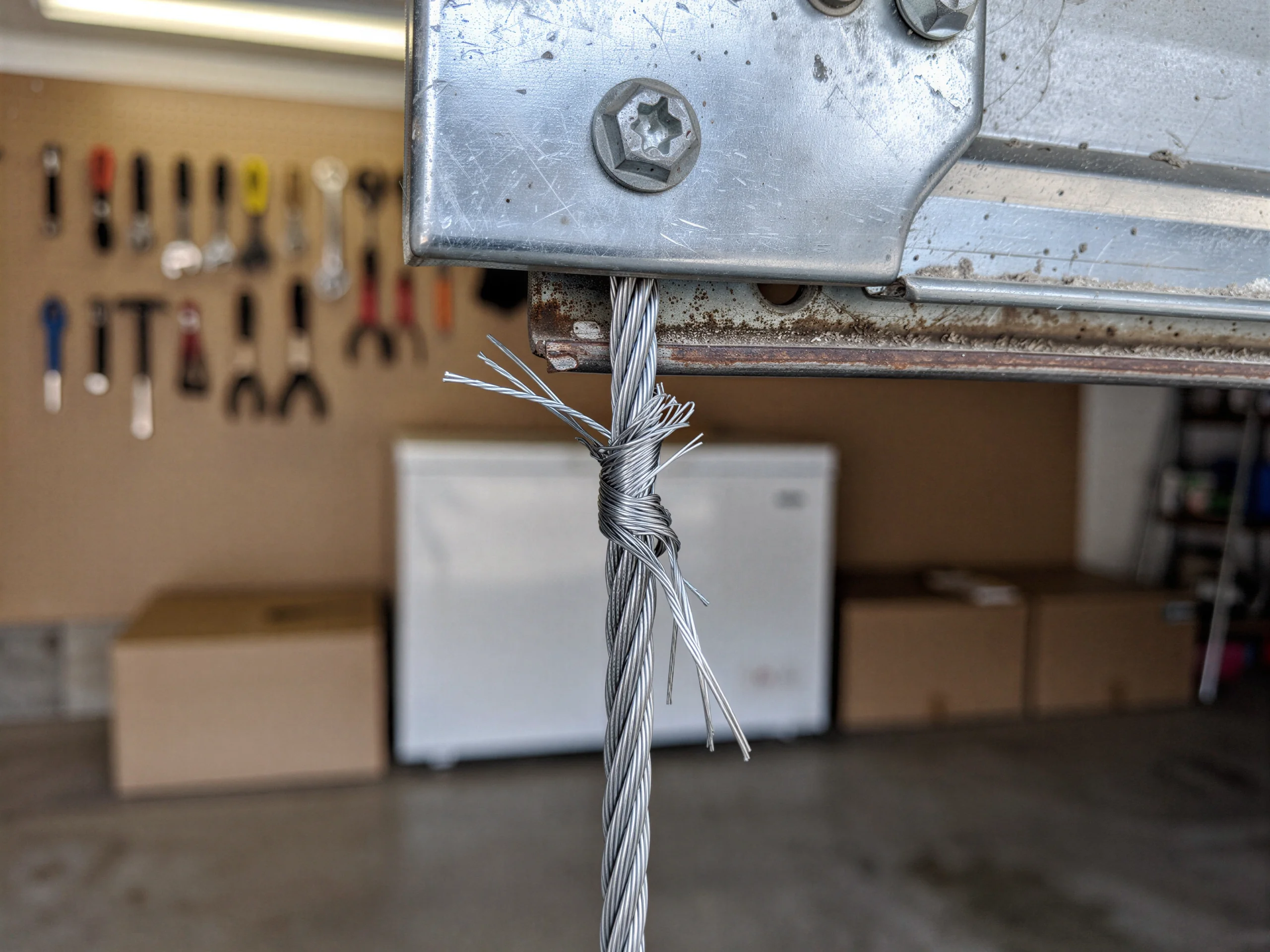
The frayed garage door cable is tied in a knot below a metal bracket.

Cable Repair for Novi Garage Doors

Snapped or frayed garage door cable in Novi? Learn more →

Ready when you are

Need a garage door sorted in Novi?

Novi Garage Door Pros repairs and installs garage doors, springs and openers in Novi, MI and the surrounding area.

Call Now(248) 847-0735