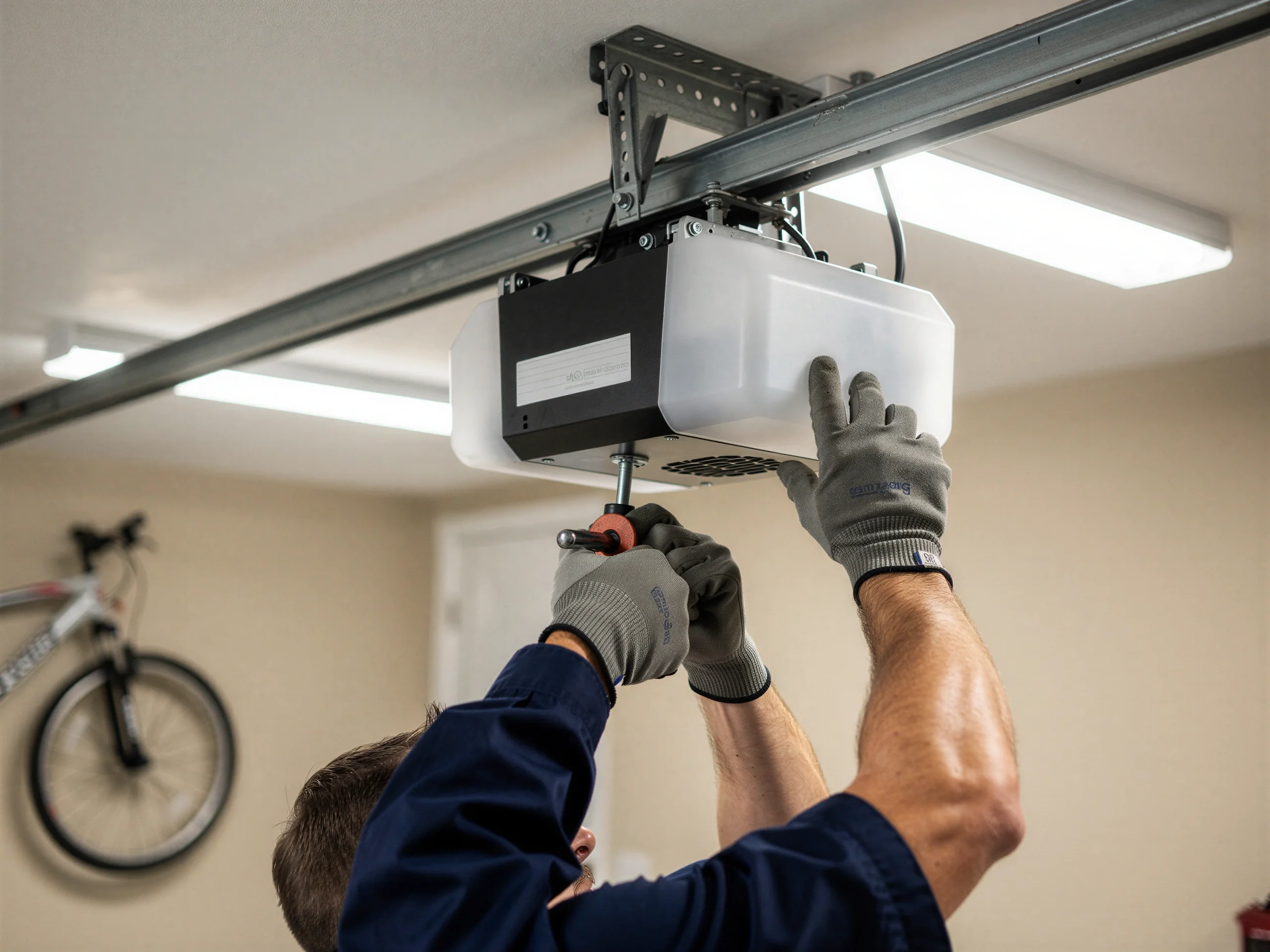
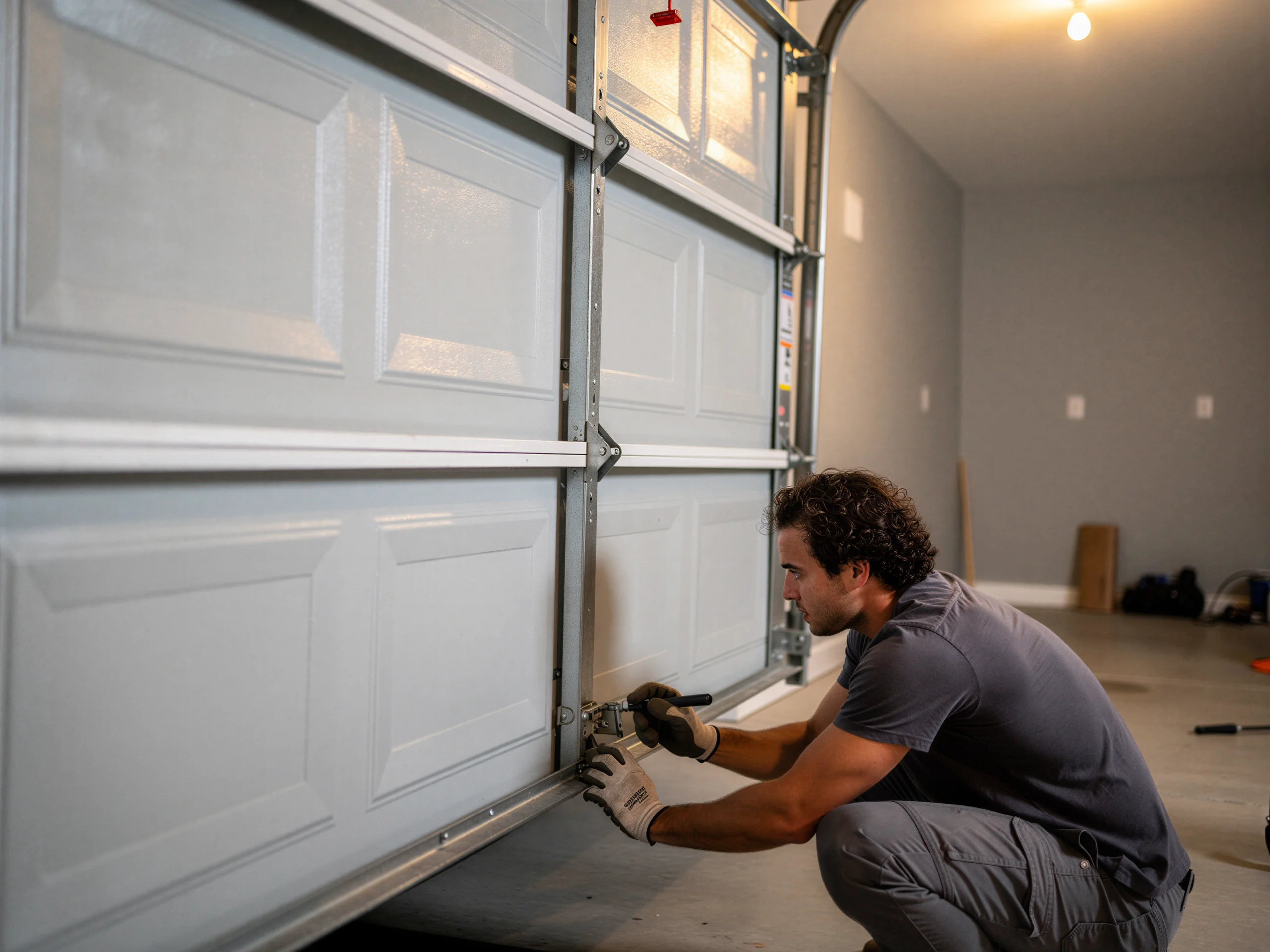
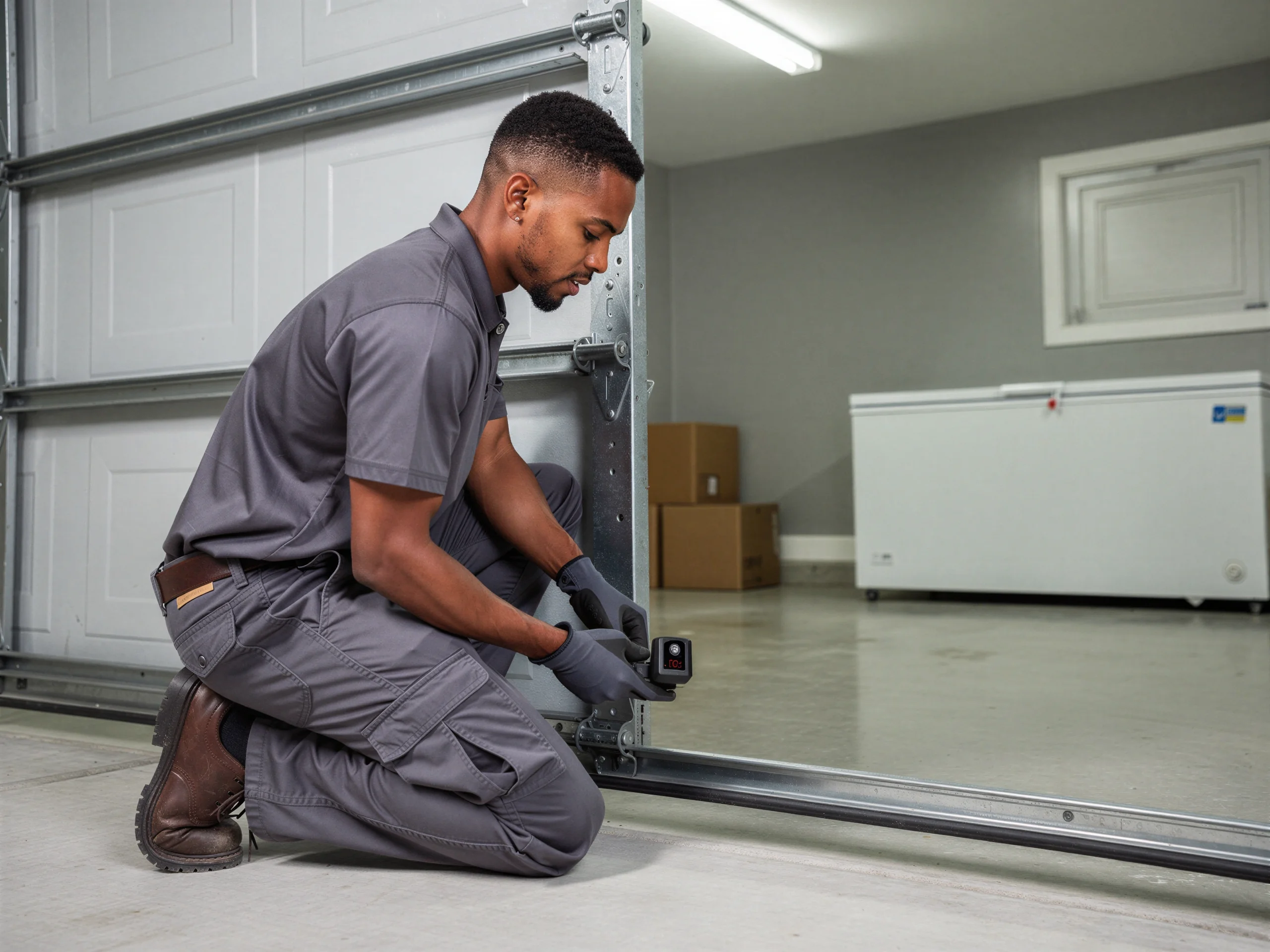
Housing in this service area mostly dates from 1938 to 1991, with the median build year sitting around 1965, and the bulk of the stock - across all 34 named neighborhoods we cover - going up in the 1960s and '70s. That matters for openers specifically: garages from that era were built around heavier doors, lighter-duty springs, and electrical circuits that were never sized for the draw a modern opener with battery backup and WiFi puts on them.
The climate is the other half of it. This area sits in a severe cold band, and cold is what actually kills an opener's electronics, not age by itself. Grease in the gearbox stiffens, circuit boards draw more current to compensate, and a unit that's run fine for a decade can fail in a single hard cold snap because it was already near the edge.
At a median household income of $90,077, most of the calls we get are owners replacing an aging opener proactively - before a cold morning leaves them stuck - rather than after a full failure. That's the pattern across the whole service area, not just one town: older housing stock plus hard winters means the opener is usually the first thing in the garage system to show its age.