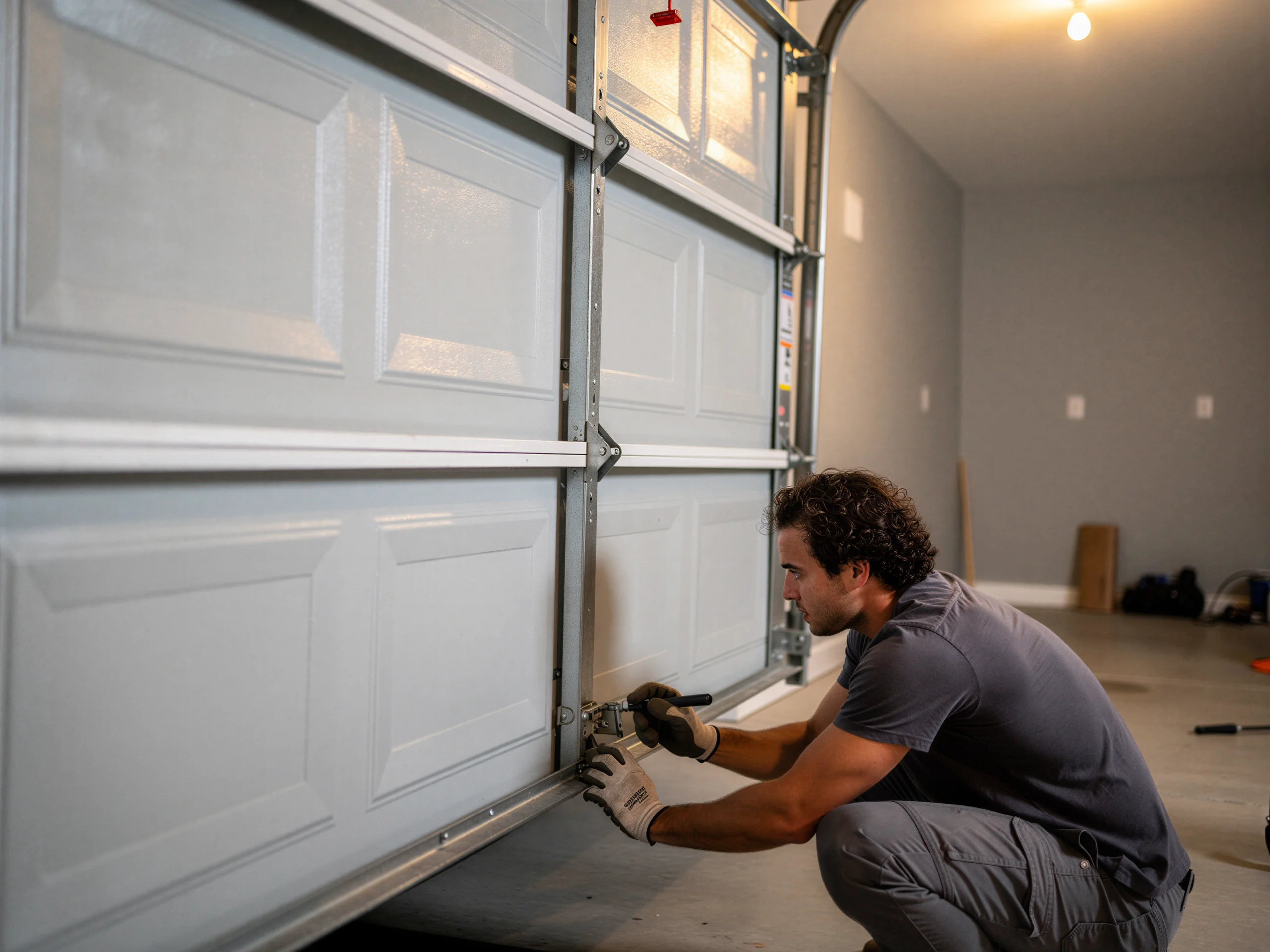
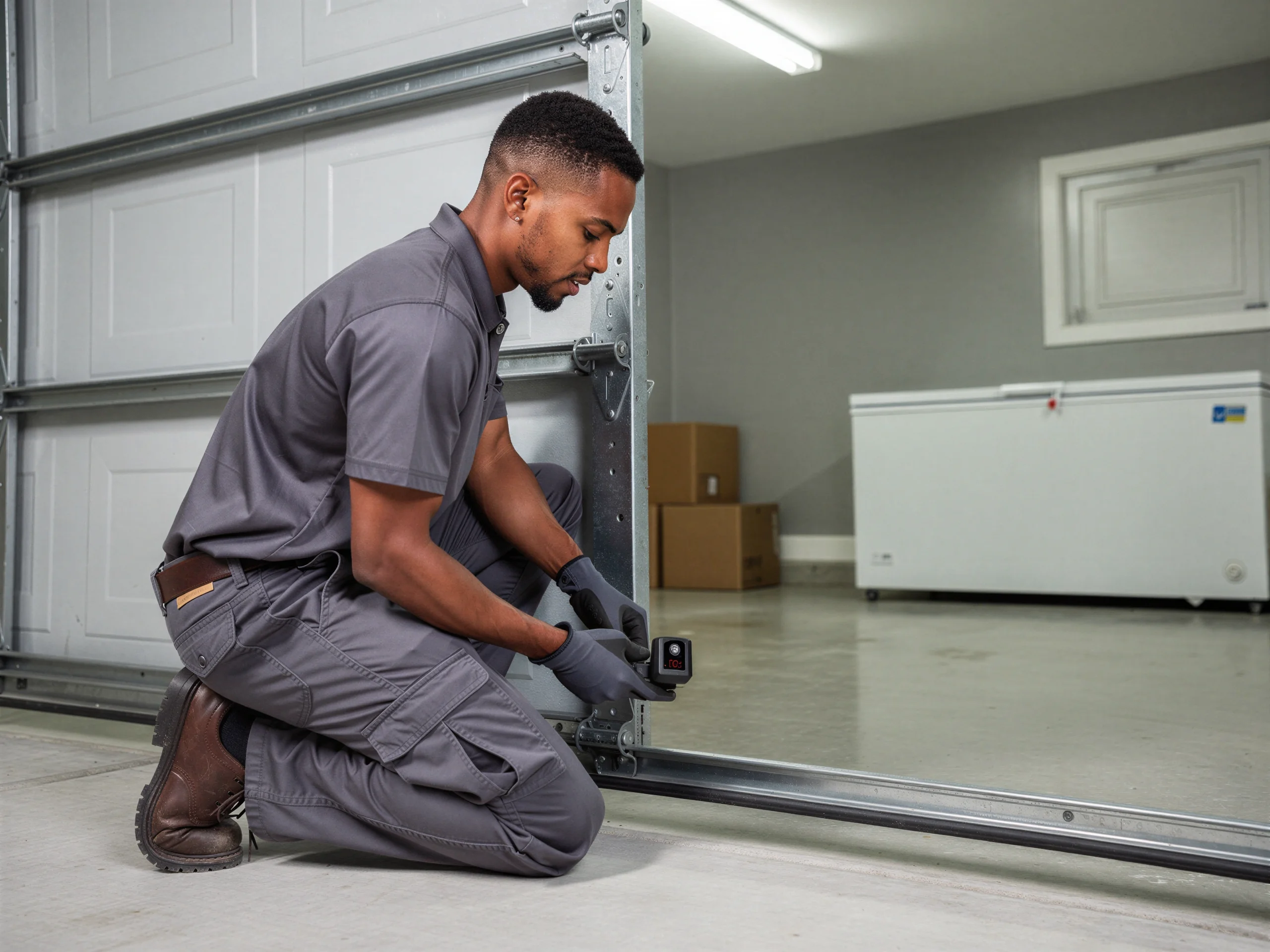
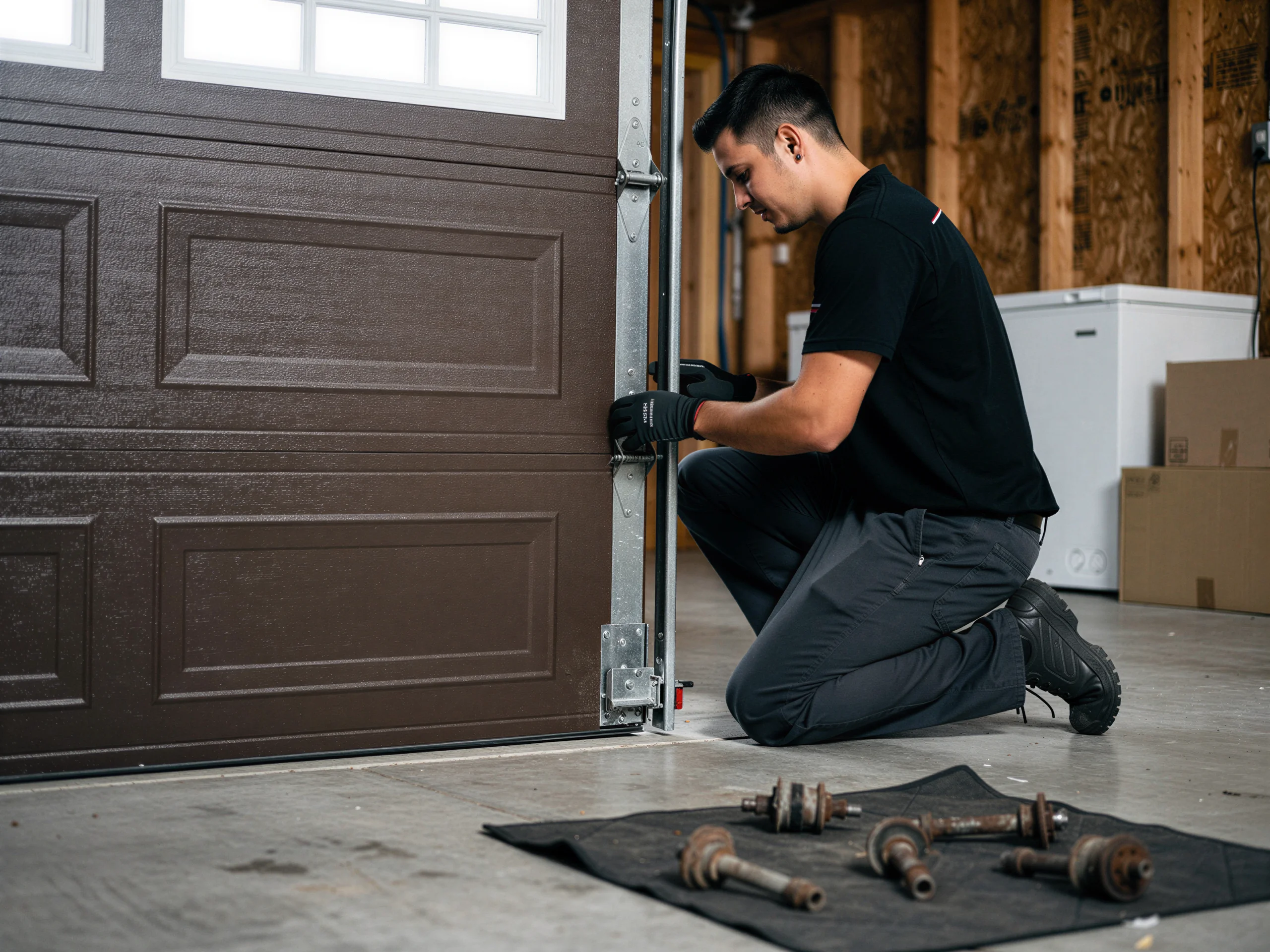
The most common call we get after an opener install in this area isn't the opener itself, it's the sensors going out of alignment once the ground shifts with the first hard freeze-thaw cycle. A slab that moves a fraction of an inch can tilt a sensor eye enough to throw a false reversal, and that's a five-minute fix once we know to look for it.
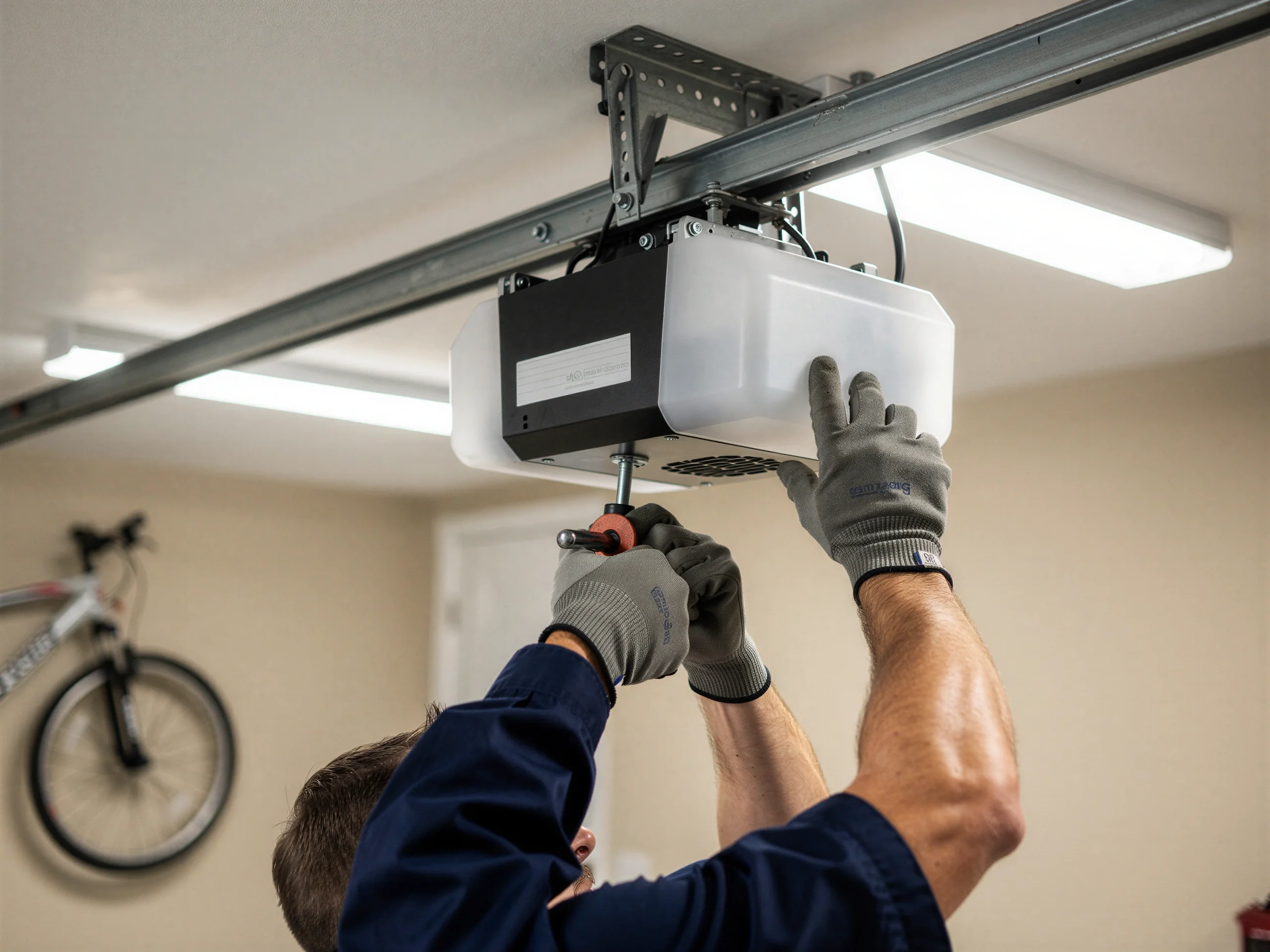
The other pattern specific to houses from this build era is an opener that's outlived its logic board but not its motor. Homeowners sometimes want us to just replace the board, and sometimes that's the right call, but if the unit is original to a house built in 1991, it's over three decades old and the smarter spend is usually a full replacement rather than patching a motor that's near the end of its service life anyway.
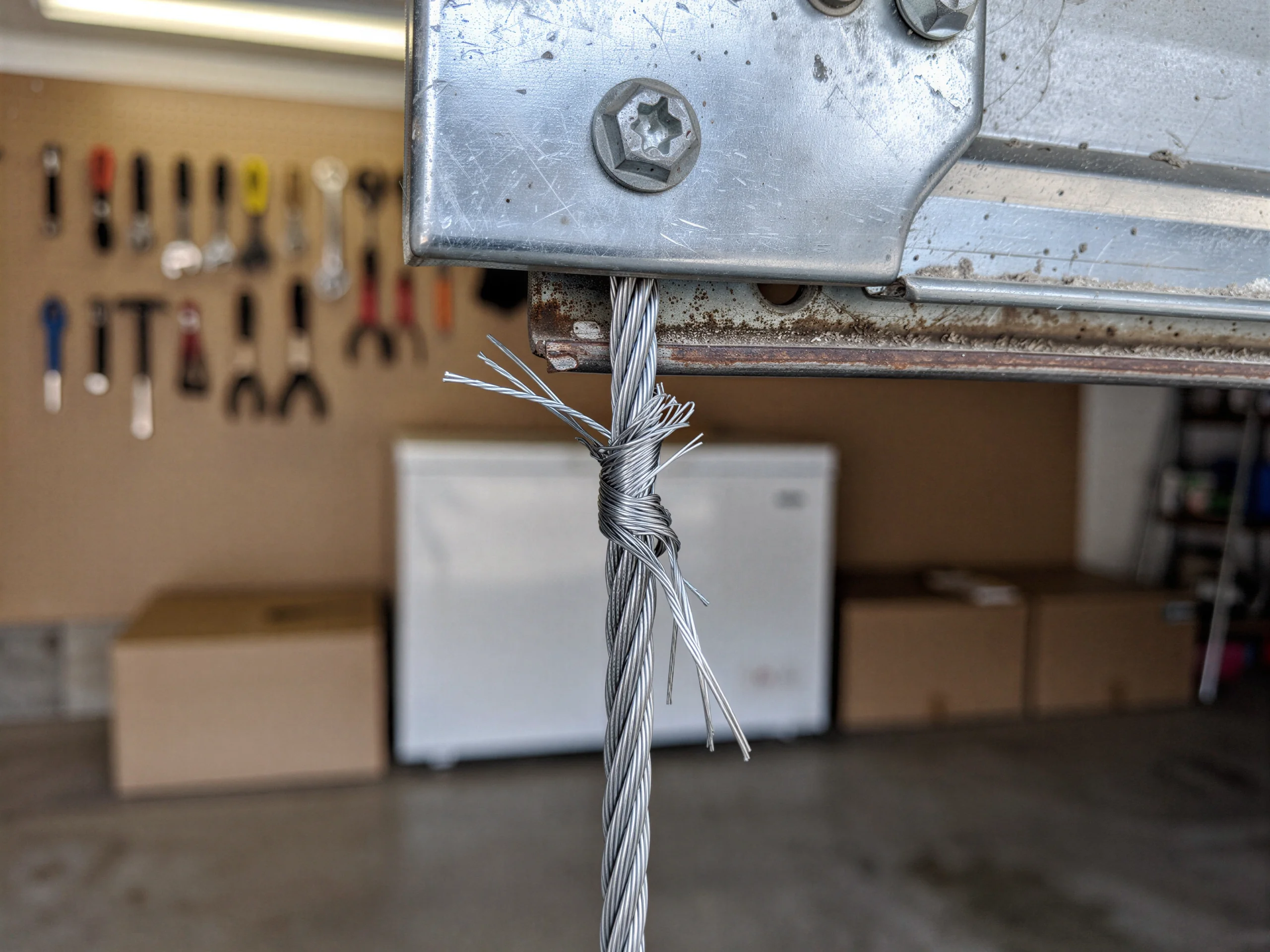
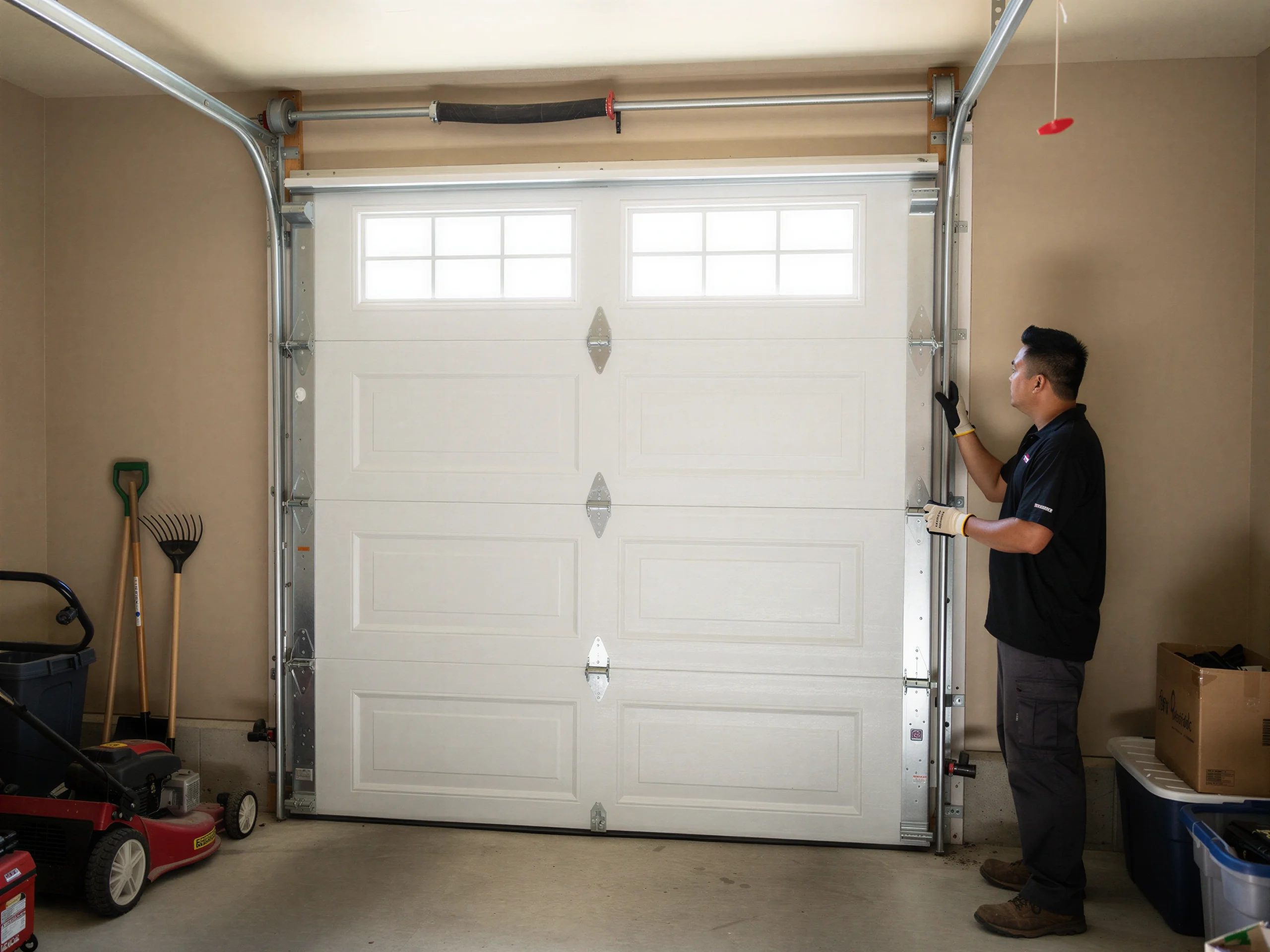
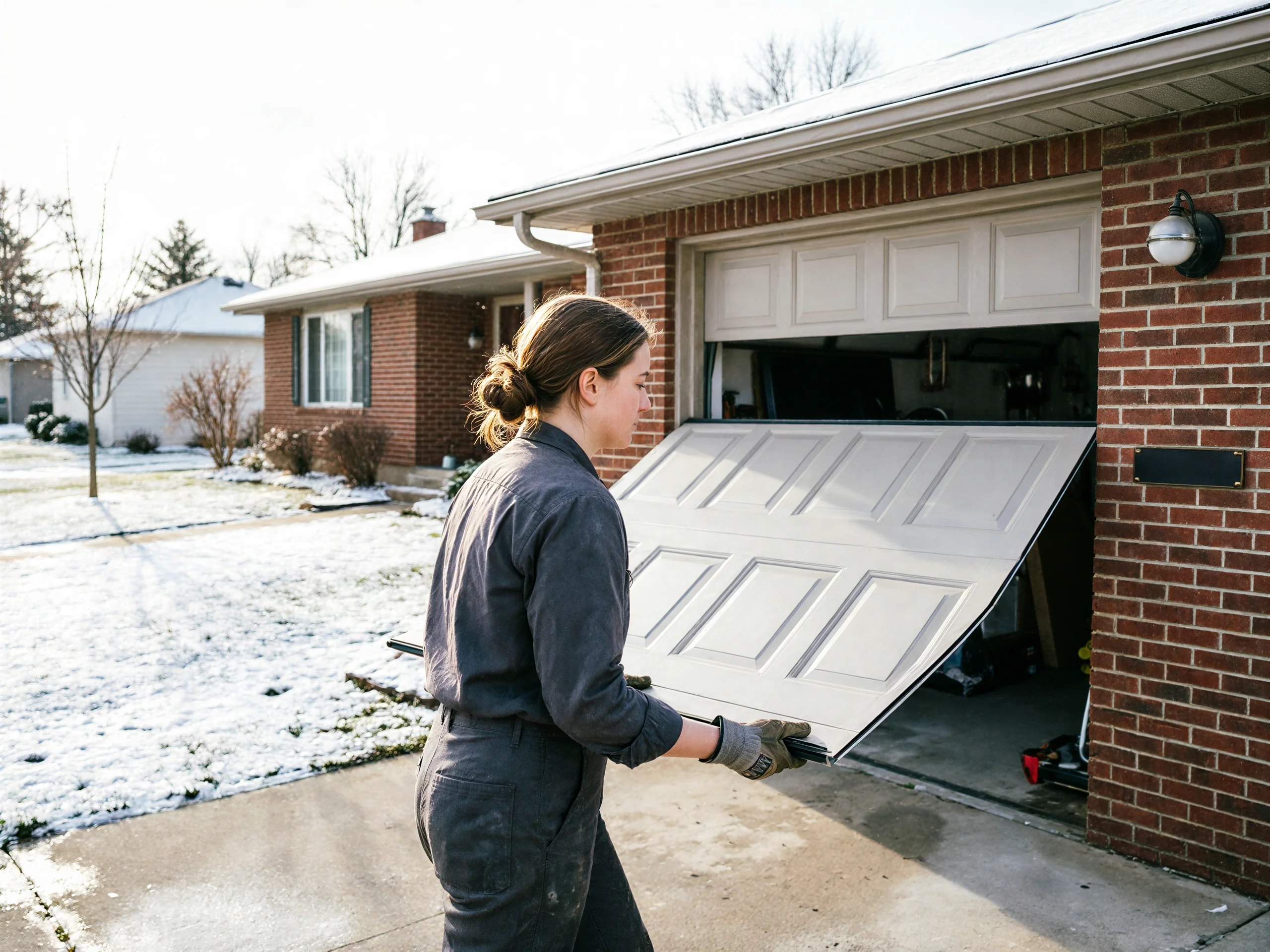
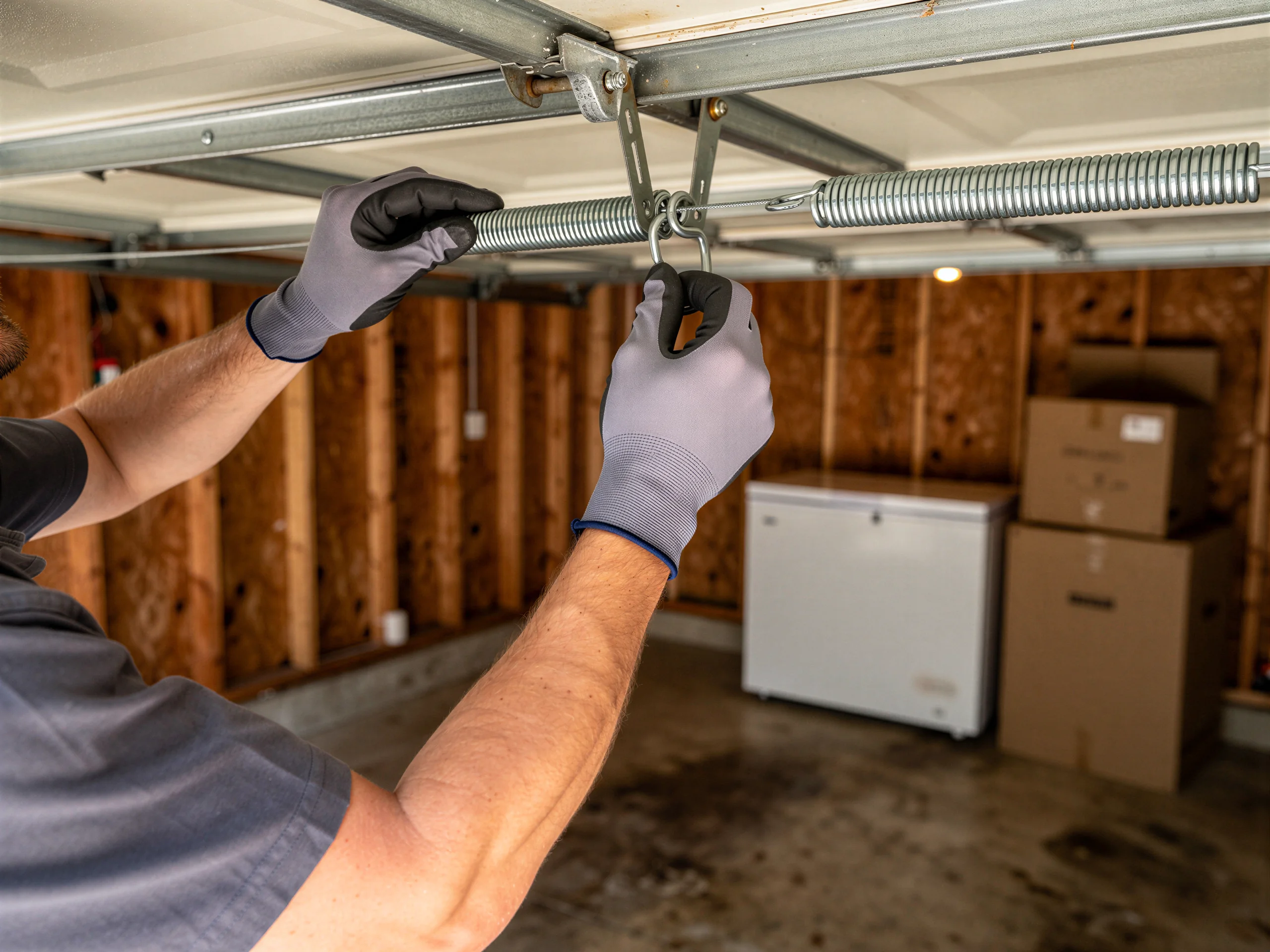
We won't install a new opener on a door and track that's already failing. If your rollers are shot or the door binds in the track, an opener fix on top of that just stresses the new motor and sets you up for a second call. We'll flag it before we install, not after.